
The Sound of Tradition in the South Village
There is a particular music to the kitchens of the South Village that has nothing to do with the playlists drifting out onto MacDougal Street on a warm evening. It is the dull, steady percussion of a meat mallet meeting veal, followed by the anticipatory hush before breadcrumbs hit hot fat and announce themselves with a confident sizzle.
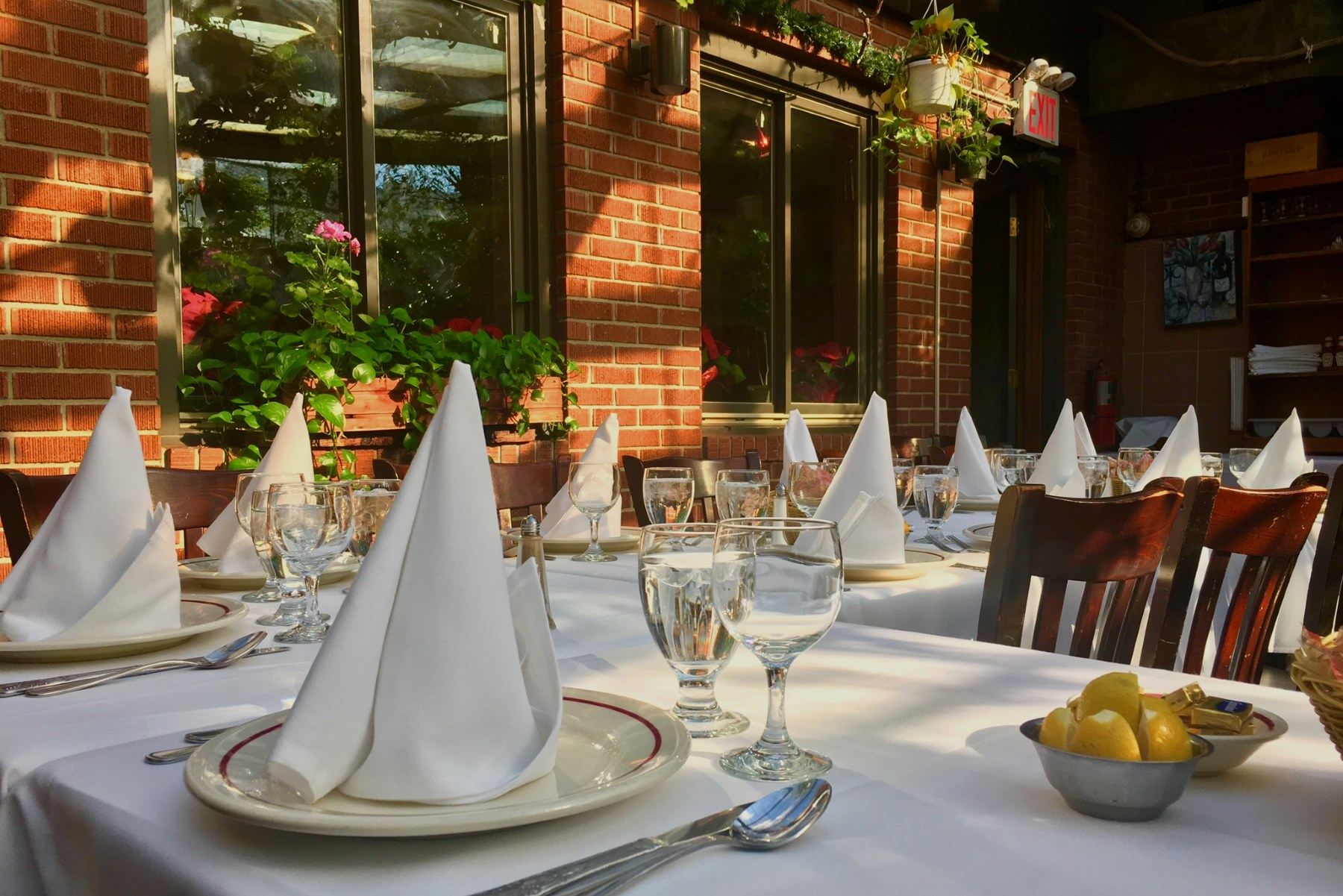
For decades, this sound drifted from behind the doors of Villa Mosconi, a restaurant that stood not merely as a place to eat, but as a living archive of Italian-American culinary discipline in Greenwich Village. The Veal Milanese, its most emblematic dish, was never treated as a casual entrée. It was understood as a rite of passage, both for the cooks who learned to execute it and for the diners who came to recognize its subtleties.
To walk through the Village in the 1970s and 1980s, particularly along Thompson Street or near the edges of Washington Square Park, was to encounter an Italian-American community still deeply connected to its regional traditions. These were not museum pieces but working recipes, refined nightly and judged relentlessly by regulars who knew exactly how a cutlet should look, smell, and sound when it arrived at the table. At Villa Mosconi, founded in 1976 by the Mosconi family, cooking was never about reinvention for its own sake. It was about fidelity to technique, respect for ingredients, and the quiet confidence that comes from doing the same thing well, night after night, for generations.
In an era when Italian food in New York is often filtered through trends, shortcuts, and branding, the memory of that kitchen rhythm feels increasingly rare. Yet the soul of those recipes endures, particularly in dishes like the Veal Milanese, which encapsulate both Old World discipline and New York pragmatism. Understanding why that dish mattered offers a window into why this neighborhood is still cited when discussing the Best Italian Food in NYC.
Greenwich Village Dining History and the Mosconi Family Legacy
The Greenwich Village of the mid-1970s was a neighborhood in transition, balancing its bohemian reputation with deeply rooted ethnic enclaves. Italian families, many with roots in Lombardy, Emilia-Romagna, and Campania, had established businesses that catered less to tourists than to neighbors. Restaurants were extensions of the home kitchen, places where recipes were guarded not out of secrecy but out of pride. Villa Mosconi emerged in this context, opening its doors in 1976 with a menu that spoke fluently in the dialect of northern Italian comfort food, adapted thoughtfully for a New York audience.
The Mosconi family understood something fundamental about dining long before “authenticity” became a buzzword. True authenticity was not about rigid replication but about preserving intent. Dishes like Veal Milanese or Malfatti were meant to be comforting yet precise, generous yet restrained. The restaurant’s proximity to MacDougal Street placed it at the crossroads of student life, jazz clubs, and long-established families, creating a dining room where professors, artists, and construction workers might share the same bottle of Chianti on adjacent tables.
Over time, Villa Mosconi became a reference point, a place invoked in conversations about “how it used to be done.” Its endurance through changing culinary fashions spoke to a deeper truth about Greenwich Village dining history: that longevity is earned through consistency. The Mosconi kitchen did not chase novelty. Instead, it refined technique, honored ingredients, and trusted that diners would recognize quality without being told to do so.
Authentic Italian NYC: Why the Bone-In vs. Boneless Debate Matters
One of the most persistent debates surrounding Veal Milanese concerns the cut itself, specifically whether it should be bone-in or boneless. In Milan, the traditional cotoletta alla milanese is famously bone-in, using a veal rib chop fried in butter. In New York kitchens, practicality often intervenes, and boneless cutlets become the norm. At Villa Mosconi, the emphasis was less on dogma and more on execution, favoring thin, evenly pounded veal cut from the top round or loin.
This choice mattered because it reflected a philosophy of texture over theatrics. A properly pounded boneless cutlet offers uniform tenderness and cooks evenly, eliminating the risk of undercooked meat near the bone or overcooked edges. By selecting high-quality veal and taking the time to pound it meticulously, the kitchen achieved a cutlet that was delicate without being fragile, crisp without heaviness. This attention to cut selection is not trivial; mentioning top round or loin situates the dish firmly within the realm of a serious cooking guide rather than a nostalgic anecdote.
In modern restaurants, shortcuts often appear in the form of pre-pounded veal or overly thick cuts that require longer frying times. The Mosconi approach rejected these compromises. The goal was a cutlet that could be fried quickly, retaining moisture while developing a golden crust that shattered gently under the knife. This balance is the essence of Veal Milanese and a hallmark of Authentic Italian NYC cooking when done with respect.
The Culinary Masterclass: Creating Authentic Italian Recipes
The Three-Step Breading Station
At the heart of any great Milanese lies the breading process, a deceptively simple sequence that demands discipline. The classic flour, egg, and breadcrumb station was treated at Villa Mosconi not as assembly-line drudgery but as a calibrated system. The flour, lightly seasoned, served to dry the surface of the veal and provide adhesion. The egg wash, beaten just enough to break its structure without becoming foamy, acted as a binding agent rather than a flavoring.

The breadcrumbs were where the kitchen asserted its identity. A mix of seasoned Italian breadcrumbs with a restrained addition of freshly grated Parmigiano Reggiano created a crust that was savory without overshadowing the veal. This subtle cheese note contributed to what many diners came to associate with a distinctly New York flavor profile—a nod to abundance without excess. Each cutlet was pressed gently into the crumbs, ensuring coverage without compacting the coating, a mistake that leads to heaviness.
Cooking Fat and Temperature Control
Equally critical was the choice of cooking fat. While clarified butter remains the traditional choice in Milan, Villa Mosconi often balanced tradition with practicality by using clarified butter or high-quality olive oil, sometimes a blend of the two. Clarification removes milk solids that burn at high temperatures, allowing the cutlet to fry evenly and achieve a golden-brown hue without bitterness.
Temperature control was non-negotiable. Oil that is too cool results in greasy breading, while oil that is too hot scorches the crust before the veal cooks through. The ideal range allows the cutlet to cook in minutes, emerging crisp, aromatic, and remarkably light. This is technique as restraint, a philosophy that defined the Mosconi kitchen across its menu.
The Arugula & Tomato Topping: New York’s Primavera Interpretation
In New York, Veal Milanese often arrives crowned with a salad of arugula and tomatoes, a presentation sometimes labeled “Primavera.” While purists may bristle, this addition speaks to a distinctly American sensibility, one that values balance and visual contrast. At Villa Mosconi, the topping was never an afterthought. Peppery arugula provided bitterness, while ripe cherry tomatoes contributed sweetness and acidity.
A light drizzle of balsamic glaze or aged balsamic vinegar tied the elements together, cutting through the richness of the fried veal. The key was moderation. Too much dressing overwhelms the cutlet, while too little fails to provide contrast. When executed correctly, the topping refreshes the palate with each bite, allowing the diner to appreciate the Milanese as a composed dish rather than a single-note indulgence.
Beyond the Milanese: Three Iconic Dishes in Focus
Malfatti: Rustic Precision
Malfatti, literally “badly made,” are anything but careless when prepared properly. These ricotta-based dumplings rely on balance, using just enough flour to hold together without becoming dense. At Villa Mosconi, malfatti were poached gently until just set, then dressed simply, often with butter and sage or a light tomato sauce. The texture was cloudlike, a testament to restraint and careful handling.
Linguine Vongole: The Taste of the Coast
Linguine alle vongole showcased a different side of the kitchen, one rooted in timing and salinity. Clams were opened quickly over high heat with garlic and olive oil, their liquor forming the base of the sauce. The pasta, cooked just shy of al dente, finished in the pan, absorbing briny depth without heaviness. Red pepper flakes were used sparingly, emphasizing warmth rather than heat.
Veal Milanese Revisited
Seen alongside these dishes, the Milanese stands as part of a broader philosophy. Each plate emphasized clarity of flavor, precise cooking temperatures, and respect for ingredients. This was not food designed to impress through excess but to endure through consistency.

The Pantry: Ingredients That Define Homemade Pasta Traditions
A serious Italian kitchen begins with its pantry, and Villa Mosconi was no exception. San Marzano DOP tomatoes formed the backbone of its red sauces, prized for their low acidity and concentrated sweetness. Cold-pressed olive oils, selected for balance rather than aggressiveness, were used judiciously, enhancing rather than dominating dishes.
House-made semolina pasta exemplified the science behind tradition. Semolina’s higher protein content creates structure, while hydration levels determine elasticity. Dough rested long enough to relax gluten, ensuring pasta that cooked evenly and held sauce without becoming gummy. These Homemade Pasta Traditions reflect an understanding that technique begins long before the stove is lit.
Food & Wine Pairings: Completing the Experience
No discussion of Villa Mosconi is complete without wine. A crisp Gavi di Gavi, with its minerality and citrus notes, offers an ideal counterpoint to fried veal, cleansing the palate between bites. For those inclined toward red, a light Chianti Classico provides acidity and gentle tannins without overpowering the dish. These pairings are not indulgent flourishes but integral components of the meal, reinforcing balance.
Pro Tips for Dining in the Village
Dining etiquette in Greenwich Village has always favored informality grounded in respect. Reservations are advisable, but patience is expected. Wine is meant to be shared, dishes to be discussed. Asking about daily specials signals engagement rather than pretension, and trusting the kitchen often yields the most satisfying results.

Carryng the Recipe Forward
Recreating a Veal Milanese at home is an act of homage as much as cooking. It requires patience, attention, and a willingness to value technique over shortcuts. While management may change and dining rooms may evolve, the soul of a recipe lives on in the hands of those who care enough to preserve it. In that sense, the legacy of Villa Mosconi endures not only on MacDougal Street but wherever a mallet meets veal and breadcrumbs meet hot oil, continuing a conversation that began decades ago in the kitchens of Greenwich Village.