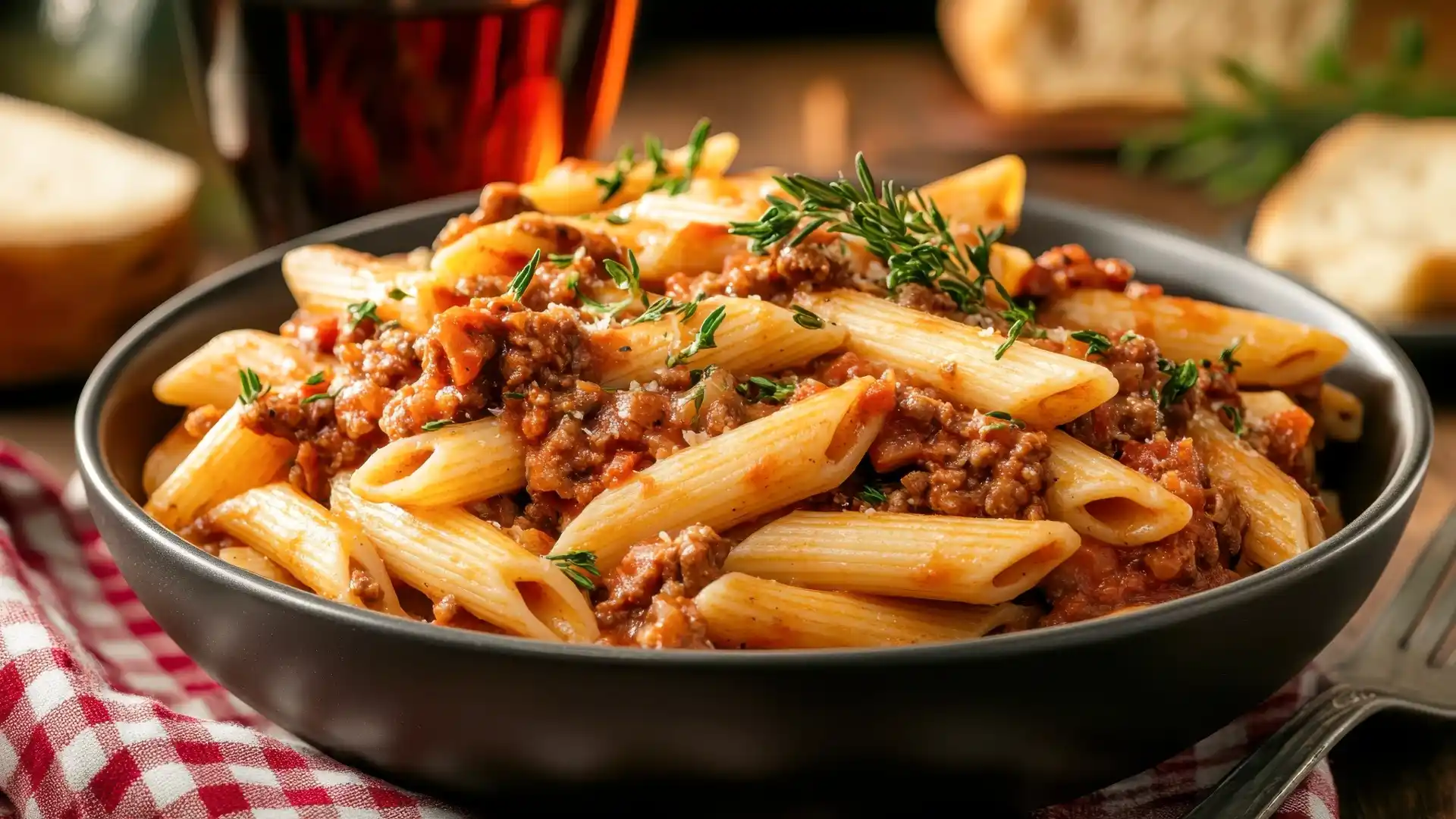

The heavy cast-iron pot breathes with a rhythm as ancient as the city of Bologna itself. A gentle, metronomic blub-blub echoes off the kitchen tiles, accompanied by a heavy, intoxicating perfume that fills the air. It is a deeply savory, complex fragrance where caramelized root vegetables mingle with the rich scent of braised beef, rendered pork fat, and a ghost of evaporated wine. This is not merely cooking; this is the alchemy of time and patience.
To embark on the journey of crafting an authentic Ragù alla Bolognese is to completely abandon the modern urgency of the kitchen. This monumental cornerstone of Italian gastronomy cannot be rushed, coaxed, or cheated. It demands hours of low, unwavering heat to coax the toughest cuts of meat into a tender, unified velvet. Here, the flame is not just a heat source; it is the most vital ingredient.[H2] What Defines a Traditional Bolognese Sauce?
For discerning home chefs and culinary purists, understanding the rigid parameters of a traditional Bolognese sauce is the first step toward true mastery. This beloved concoction is frequently misunderstood internationally, but its authentic profile relies on these non-negotiable pillars:
- A Meat-Centric Identity: It is a heavy meat sauce accented by a whisper of tomato, not a tomato sauce burdened with ground beef.
- The Sacred Soffritto: A meticulously fine dice of yellow onions, carrots, and celery sweated gently to provide a sweet, foundational depth.
- A Dual Meat Profile: A precise ratio of coarse-ground beef (cartella or beef skirt) and fatty pork (pancetta) to balance lean structure with rich, melting fat.
- Dairy Integration: The strategic addition of whole milk, which tenderizes the meat proteins and subdues the acidic edge of the wine and tomatoes.
The Philosophy of Slow Cooking
[H1] Authentic Ragù alla Bolognese: The Slow-Simmered Soul of Emilia.[INSERIRE IMMAGINE 1 (HERO) QUI]
The heavy cast-iron pot breathes with a rhythm as ancient as the city of Bologna itself. A gentle, metronomic blub-blub echoes off the kitchen tiles, accompanied by a heavy, intoxicating perfume that fills the air. It is a deeply savory, complex fragrance where caramelized root vegetables mingle with the rich scent of braised beef, rendered pork fat, and a ghost of evaporated wine. This is not merely cooking; this is the alchemy of time and patience.
To embark on the journey of crafting an authentic Ragù alla Bolognese is to completely abandon the modern urgency of the kitchen. This monumental cornerstone of Italian gastronomy cannot be rushed, coaxed, or cheated. It demands hours of low, unwavering heat to coax the toughest cuts of meat into a tender, unified velvet. Here, the flame is not just a heat source; it is the most vital ingredient.[H2] What Defines a Traditional Bolognese Sauce?
For discerning home chefs and culinary purists, understanding the rigid parameters of a traditional Bolognese sauce is the first step toward true mastery. This beloved concoction is frequently misunderstood internationally, but its authentic profile relies on these non-negotiable pillars:
- A Meat-Centric Identity: It is a heavy meat sauce accented by a whisper of tomato, not a tomato sauce burdened with ground beef.
- The Sacred Soffritto: A meticulously fine dice of yellow onions, carrots, and celery sweated gently to provide a sweet, foundational depth.
- A Dual Meat Profile: A precise ratio of coarse-ground beef (cartella or beef skirt) and fatty pork (pancetta) to balance lean structure with rich, melting fat.
- Dairy Integration: The strategic addition of whole milk, which tenderizes the meat proteins and subdues the acidic edge of the wine and tomatoes.
The Philosophy of Slow Cooking
In our era of immediate gratification, the profound art of slow cooking remains a defiant celebration of heritage. Preparing this ragù requires the cook to act as a guardian of the stove, dedicating a Sunday to the gentle stewardship of the simmering pot. As the sauce matures over several hours, the disparate elements break down and surrender their individual identities.
This unhurried transformation allows the connective tissues within the coarse-ground meat to dissolve entirely. What begins as a stark mixture of raw ingredients slowly harmonizes into a dense, rust-colored emulsion. The sheer caloric and historic weight of this technique reflects a culinary philosophy that honors the sacrifice of the animal and the bounty of the land.
The Sacred Soffritto and Sustainable Sourcing
The absolute foundation of a traditional Bolognese sauce rests upon the soffritto. This holy trinity of aromatics must never be rushed or scorched. It requires a generous pool of rendered fat and olive oil, a low flame, and the patience to watch the vegetables slowly turn translucent and golden.
The caliber of these humble roots dictates the final sweetness of the dish. This dedication to raw quality goes hand-in-hand with embracing sustainability and local ingredients, a philosophy that ensures the carrots are vibrant, the celery crisp, and the onions deeply pungent. When you build upon flawlessness, the resulting architecture is indestructible.
The Marriage of Wine and Heritage
Once the meats are heavily browned and the soffritto is dissolved, the pan is deglazed with a generous pour of dry wine—historically, Sangiovese or a dry white like Trebbiano. As the alcohol sharply evaporates, it leaves behind a crucial layer of tart complexity, lifting the heavy fats and preparing the palate for the richness to follow.
The historical codification of these steps is so vital to regional identity that the official recipe was solemnly registered at the Bologna Chamber of Commerce in 1982 by the esteemed Accademia Italiana della Cucina. This grand gesture explicitly protects the culinary heritage of Emilia-Romagna from the relentless dilution of commercial shortcuts and international misinterpretations.

The Alchemist’s Guide: Mastering the True Ragù
To execute this slow cooking masterpiece, you must command the stages of the pan. Begin by rendering finely minced sweet pancetta until its liquid gold coats the heavy bottom of your Dutch oven. Introduce the exquisitely fine soffritto, allowing it to sweat until it nearly vanishes into a sweet jam.
Next, add your coarse-ground beef and pork. Raise the flame. The meat must aggressively sear and brown, not steam in its own juices. You are looking for a deep, crusty caramelization. When the meat sings and crackles, pour in a glass of dry wine, scraping the glorious, browned fond from the bottom of the pot. Let the harshness of the alcohol cook off entirely.
Now, introduce the whole milk. Let it bubble gently until it has completely retreated into the meat, ensuring a tender, velvety bite. Only then do you add a modest amount of double-concentrated tomato paste (concentrato di pomodoro), diluted slightly with a splash of homemade beef broth.
Lower the flame to the barest, faintest whisper. The surface of the sauce should barely break with an occasional, lazy bubble. This is the sacred simmer. Leave it partially covered to reduce and concentrate for no less than three hours, occasionally offering a gentle stir. For those eager to compare their progress with our own archives, studying our detailed Ragù alla Bolognese notes will emphasize just how crucial this final, grueling test of patience truly is.
Frequently Asked Questions (FAQ)
- Why is there milk in an authentic Bolognese sauce?
Milk is added specifically to protect the meat from the acidity of the wine and tomatoes. It gently breaks down the proteins over the long simmering time, resulting in an exceptionally tender, almost creamy mouthfeel that is the hallmark of the authentic Emilian dish. - Can I use minced garlic or herbs in the base?
No. Traditional Bolognese completely abstains from garlic, rosemary, or oregano. The complex flavor profile is achieved exclusively through the slow caramelization of the soffritto (onion, celery, carrot), the browned meats, and the reduction of wine. - What is the correct pasta to serve with this sauce?
The heavy, rich nature of the sauce demands a robust, porous canvas. Fresh, egg-based Tagliatelle or broad Pappardelle are the absolute gold standards. The sauce clings magnificently to the rough, microscopic ridges of fresh egg dough, whereas it tends to slide embarrassingly off dry, smooth spaghetti.
The Eternal Flame of the Emilian Hearth
To sit before a steaming, golden mound of fresh egg tagliatelle, deeply imbued with the rust-colored brilliance of a properly executed ragù, is to partake in a deeply emotional communion. This is not just a plate of food; it is a profound narrative of winter survival, of maternal devotion, and of an unapologetic love for the land.
The slow-simmered soul of Emilia-Romagna lives eternally within this heavy iron pot. It stands as a defiant, glorious monument to the fact that the greatest things in life—and certainly the greatest things upon the Italian table—can never be rushed. They must be anticipated, nurtured, and finally savored with absolute reverence.